
Travertine Pavers Miami: A Homeowner Guide
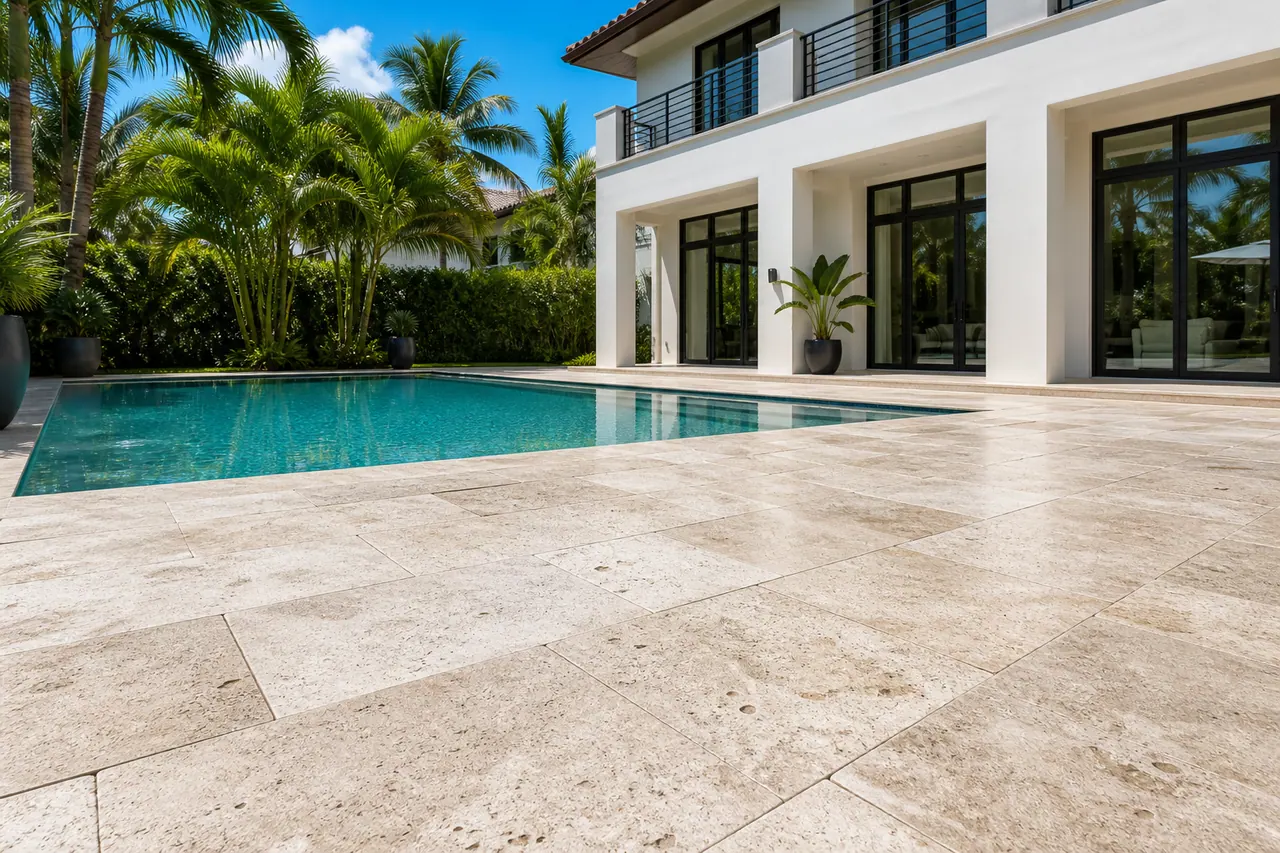
Outdoor upgrades can influence perceived property value faster than many interior renovations, especially in a market like Miami where curb appeal, pool areas, and outdoor living matter year-round. That is why travertine pavers miami is more than a design search term for commercial buyers and property owners—it is a performance decision. In Miami-Dade County, the right paver system has to handle high humidity, intense UV exposure, sudden downpours, and in some locations, salt-laden air that accelerates wear on inferior materials.
Travertine remains one of the most requested premium surfaces for driveways, patios, pool decks, and walkways because it combines a refined look with practical benefits for South Florida conditions. But appearance alone is not enough. A successful installation in Miami depends on base preparation, drainage slope, edge restraint, joint stability, and selecting materials that meet the right technical standards. That is where a professional contractor adds long-term value over DIY methods or low-cost labor.
What makes travertine a smart surface for Miami properties
Travertine is a natural stone known for its elegant appearance, lighter surface temperature, and textured finish options. In Miami, those qualities matter because outdoor spaces are used constantly, and surfaces exposed to direct sun can become uncomfortable quickly. Compared with many darker materials, travertine can stay cooler underfoot, which is especially useful around pool decks and patios.
Beyond comfort, travertine fits the architectural style of many Miami properties. It pairs well with modern homes, Mediterranean-inspired exteriors, hospitality spaces, and commercial landscapes that need a polished but durable finish. For property owners seeking a premium presentation, travertine offers a more upscale aesthetic than basic poured concrete while still integrating well with retaining walls, walkways, and transitional hardscape areas.
- Cooler surface feel: helpful for pool decks and sunny patio areas
- Natural slip resistance: especially valuable where water exposure is frequent
- Timeless appearance: complements both contemporary and classic Miami design styles
- Versatile applications: suitable for patios, walkways, pool decks, and some driveway designs depending on thickness and system design
Miami-Dade conditions change how pavers should be installed
Installing pavers in Miami is not the same as installing them in a drier or cooler climate. Miami-Dade County presents a combination of high groundwater concerns, intense rainfall events, humidity, and hurricane-season drainage demands. In coastal-influenced areas, salt exposure can also affect surrounding materials and the long-term stability of poorly planned systems. A surface may look good on day one and still fail early if the base, bedding layer, and drainage were not engineered for local conditions.
Subgrade evaluation is one of the most overlooked parts of paver work. Some areas in Miami-Dade can present soft spots, variable soils, or drainage patterns that require correction before any pavers are placed. Without proper compaction and grading, pavers can shift, settle, hold water, or develop uneven edges. In commercial settings, those issues are not just cosmetic; they can become maintenance liabilities and safety concerns.
Professional installation should account for:
- Drainage slope: directing water away from structures and preventing ponding
- Compacted base design: supporting traffic loads and reducing settlement
- Edge restraint: keeping field pavers locked in place over time
- Joint stability: helping resist washout during heavy rain events
- Hurricane readiness: minimizing failure points caused by water intrusion and erosion
Where travertine works best on a commercial or upscale residential project
Travertine is especially effective in spaces where aesthetics and user comfort are both priorities. Pool decks are a common choice because the material can remain more comfortable under direct sun and provides a premium resort-style finish. Patios and courtyard spaces also benefit from travertine because the stone creates a high-end look without feeling overly formal.
For driveways, travertine can be used successfully when the correct thickness, base preparation, and load considerations are built into the project. Not every travertine product is appropriate for vehicular traffic, so this is where a contractor should evaluate the intended use rather than relying on appearance alone. Walkways and entry paths are another strong application, especially when the goal is to connect front elevation design with landscape features and lighting.
Driveway & Paver Solutions also serves nearby areas such as Bal Harbour and Coral Gables, where outdoor hardscapes often need the same balance of visual quality, drainage performance, and resistance to South Florida weather.
Technical standards that matter more than color selection
Many buyers spend most of their time comparing colors, patterns, and finish textures. Those details matter, but the long-term success of a paver installation depends on measurable performance standards. In Miami, where rain, heat, and moisture exposure are constant concerns, material quality should be verified before installation begins.
For projects that incorporate concrete pavers alongside stone elements, or for buyers comparing travertine with concrete paver systems such as Oldcastle, the following standards are important benchmarks. These are not marketing phrases; they are practical indicators of whether a product is suited for demanding exterior use.
- ASTM C936 (Concrete Paver Standard): establishes performance requirements for concrete interlocking paving units used in exterior applications
- Absorption Rate (<5%): lower absorption helps limit moisture-related deterioration and supports durability in wet conditions
- Compressive Strength (>8000 psi): indicates the unit can handle substantial loads and resist cracking under pressure
- Dimensional Tolerance (+/- 1/16 inch): tighter tolerances help maintain consistent joint spacing and a cleaner finished surface
- Abrasion Resistance: important for surfaces exposed to foot traffic, furniture movement, and routine wear
Even when a project centers on travertine, these standards are valuable in the decision process because many Miami properties use combinations of materials, borders, or adjacent paver fields. A premium contractor should be able to explain where natural stone is best, where concrete pavers may be better suited, and how each material performs in a humid, high-use environment.
Professional installation vs. cheap labor: what actually affects lifespan
The visible surface is only part of the system. Two projects can use similar-looking pavers and perform very differently based on excavation depth, compaction, bedding consistency, drainage planning, and restraint details. Cheap labor often cuts time where clients cannot immediately see it: subgrade correction, proper screeding, compaction passes, and joint stabilization. Those shortcuts usually show up later as movement, standing water, loose edges, or premature staining.
Professional installation is also important because Miami-area projects may involve code considerations, drainage requirements, and site-specific grading concerns. A contractor should evaluate runoff direction, transitions at structures, and whether the finished elevation could create water intrusion risks. On commercial properties, ADA-related access, trip hazards, and maintenance planning may also affect the layout and installation method.
- Professional value includes:
- Accurate site evaluation before material is ordered
- Base design matched to foot or vehicle traffic
- Drainage planning suited to Miami rain events
- Cleaner alignment, cuts, and edge detailing
- Better long-term warranty value because the system is installed correctly from the start
DIY work or bargain installation can appear less expensive up front, but replacement and repair costs rise quickly when the base fails. For premium properties, redoing a paver project is usually more expensive than installing it correctly the first time.
Material comparisons for Miami buyers weighing travertine against other options
Travertine is not the only premium paver surface available in Miami, and a good contractor should explain where each material fits. Concrete pavers offer strong structural performance and broad style variety. Chicago brick can create a distinctive traditional look. Porcelain provides a sleek contemporary finish and excellent stain resistance. Each option has strengths, but not every one delivers the same underfoot comfort or natural character as travertine.
Travertine tends to stand out in projects where heat reduction, upscale appearance, and outdoor leisure use are priorities. Concrete pavers may be preferred where engineered consistency, modular patterns, and specific load-bearing requirements drive the design. The right answer depends on the application, not just the trend. In Miami, product selection should always consider slip resistance, drainage compatibility, maintenance expectations, and exposure to moisture and salt.
- Travertine: premium natural look, cooler feel, excellent for pool decks and patios
- Concrete pavers: highly uniform, durable, and available in many formats and finishes
- Chicago brick: classic visual appeal for traditional or old-world design themes
- Porcelain: modern aesthetic with strong stain and fade performance
Drainage, permits, and layout details should never be an afterthought
In Miami, drainage is not a minor design detail. It is one of the core reasons some paver systems last and others fail. Finished surfaces should be pitched appropriately so water moves away from buildings, pool structures, and vulnerable edges. A beautiful patio that traps water near the house is not a premium installation. The same is true for driveways that direct runoff toward garages or entry points.
Permitting and code-related requirements can also affect scope depending on the project type, size, and location. A contractor should review whether site work, drainage modifications, or structural elements such as retaining walls trigger additional review. This is especially important on commercial properties or more complex residential sites where grade transitions and water management must be documented and executed correctly.
Layout planning also deserves attention because it affects both performance and appearance. Proper pattern alignment, border definition, and cut placement reduce weak points and create a cleaner finish. On higher-end Miami properties, these details are often what separate a premium result from a basic installation.
Choosing a premium contractor for travertine pavers in Miami
Not every paver contractor approaches material selection and installation with the same level of technical discipline. For travertine projects in Miami, the right contractor should be able to discuss substrate preparation, local drainage realities, traffic loads, edge restraint methods, and how different materials respond to heat, humidity, and salt exposure. That conversation is a better indicator of quality than a low bid.
Driveway & Paver Solutions specializes in high-end hardscape installations including driveway pavers, patio pavers, pool deck pavers, walkways, and retaining walls. The company works with premium materials such as travertine, Chicago brick, Oldcastle, concrete pavers, and porcelain, giving Miami property owners a stronger basis for selecting the right surface for the application rather than forcing a one-material solution.
If you are planning a new outdoor surface, the best next step is a site-specific evaluation of drainage, use, and material fit. That approach protects the investment and helps ensure the finished project performs as well as it looks in Miami's demanding climate.
Driveway & Paver Solutions offers free on-site consultations in Miami. Call (786) 305-8558 to schedule yours today.