
Pavers Installation Near Coral Gables | Licensed Contractor
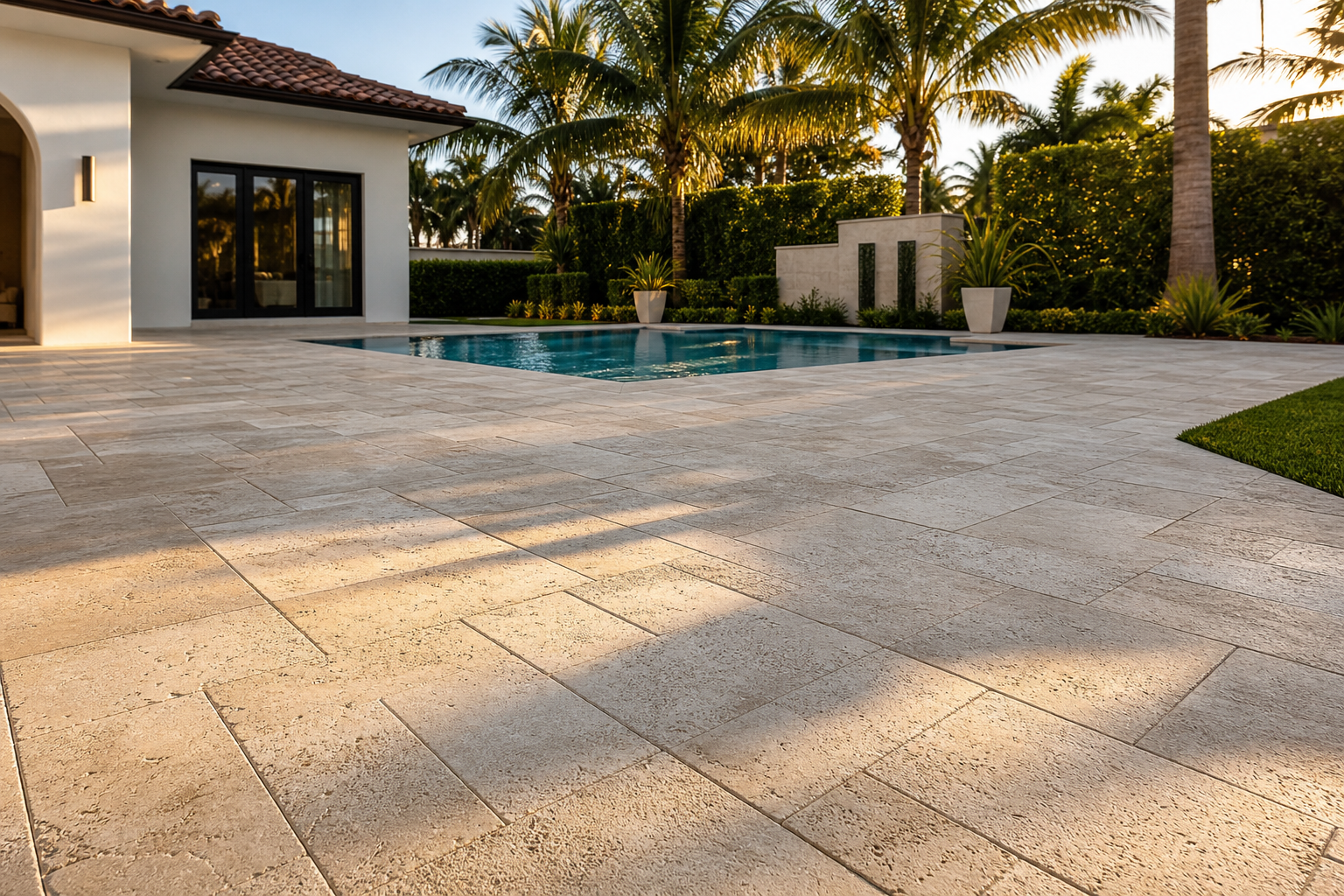
Homes and commercial properties with professionally installed hardscapes can see a noticeable boost in perceived property value, but only when the installation is built to handle local conditions. If you are searching for pavers installation near me in Coral Gables, the real question is not just who can lay pavers, but who can build a system that performs under Miami-Dade County humidity, heavy rain, salt exposure, and demanding load conditions.
At Driveway & Paver Solutions, we approach every project as a long-term structural investment, not a quick surface upgrade. From driveway pavers and patio pavers to pool deck pavers, walkways, and retaining walls, our team brings years of hands-on experience, local code awareness, and premium material knowledge to projects throughout Coral Gables and nearby service areas.
What should commercial property owners expect from a professional paver installation contractor?
A professional paver installation contractor should deliver far more than an attractive finished surface. In Coral Gables, a proper installation starts with site evaluation, drainage planning, subgrade review, and material selection based on traffic, exposure, and maintenance expectations. Commercial clients need a contractor who understands that appearance matters, but structural performance matters more.
That means every recommendation should be tied to use case. A driveway serving frequent vehicle traffic has different load-bearing needs than a decorative walkway. A pool deck requires slip resistance and heat comfort. A patio near landscaping may need edge control and grading adjustments to prevent washout. An experienced contractor explains these differences clearly and builds accordingly.
- Accurate site assessment before any excavation begins
- Knowledge of Coral Gables permitting and code expectations where applicable
- Drainage planning to protect structures and prevent standing water
- Material guidance based on durability, finish, and climate suitability
- Installation standards that support long-term performance and warranty value
Why do paver projects fail so often in Miami-Dade County?
Most paver failures are not caused by the pavers themselves. They fail because of what is underneath them. In Miami-Dade County, high humidity, sudden downpours, shifting moisture levels, and occasional salt exposure create a demanding environment for any exterior hardscape. If the sub-base is shallow, the compaction is poor, or the drainage is wrong, the surface can settle, separate, or hold water long before it should.
Cheap labor often skips the steps that property owners never see. That may include inadequate excavation depth, rushed compaction, missing edge restraints, or no meaningful slope control. The project may look good for a few months, then begin to show low spots, loose borders, weed intrusion, and movement under vehicle loads. In Coral Gables, that kind of shortcut work becomes expensive because repairs usually require removing and rebuilding sections of the system.
Professional installation protects against the most common failures:
- Uneven settling from weak base preparation
- Water intrusion from poor grading
- Spreading edges where restraints were omitted
- Surface shifting under driveway traffic
- Joint erosion after heavy rain
- Premature staining or finish issues from using the wrong material in the wrong location
Which installation standards matter most for long-term durability?
Not all paver bids are equal, and the biggest differences are usually hidden below the surface. A premium contractor should be able to explain the technical standards behind the work in plain language. These standards are especially important in Coral Gables, where drainage and structural stability are essential to long-term performance.
At Driveway & Paver Solutions, we emphasize the following core installation standards because they directly affect durability, safety, and appearance:
- Base preparation (6-8 inches): Proper excavation and base depth are critical to support the finished surface and reduce settlement over time.
- Compaction (98% standard proctor): Compaction must meet professional standards so the base performs under foot traffic and vehicle loads.
- Edge restraints: Strong edge restraints help lock the field of pavers in place and prevent lateral movement.
- Drainage slope (1/4 inch per foot): Correct slope helps move water away from structures and minimizes puddling or washout.
- Load-bearing capacity: The system must be designed for the actual use of the space, whether pedestrian traffic, passenger vehicles, or heavier service loads.
These are not upgrade items. They are foundational requirements for a paver system that performs the way a commercial client expects. If a contractor cannot explain these standards clearly, that is usually a warning sign.
How do material choices affect performance in Coral Gables?
Material selection has a direct impact on maintenance, heat retention, slip resistance, and visual style. In Coral Gables, the best paver material depends on where it will be installed and how the space will be used. A premium look is important, but the surface also needs to perform through sun, rain, humidity, and regular cleaning cycles.
We work with several high-quality materials, including travertine, Chicago brick, Oldcastle products, concrete pavers, and porcelain. Each has strengths. Travertine is popular around pool decks because it stays cooler underfoot and offers a refined appearance. Chicago brick brings classic character and works well in traditional architectural settings. Concrete pavers offer versatility and strong structural performance. Porcelain can deliver a sleek modern finish with excellent stain resistance when properly specified.
Common material recommendations by application
- Driveway pavers: Concrete pavers or heavy-duty systems designed for load-bearing capacity
- Patio pavers: Travertine, porcelain, or decorative concrete depending on design goals
- Pool deck pavers: Travertine and select textured surfaces for comfort and slip resistance
- Walkways: Chicago brick, concrete pavers, or porcelain for clean transitions and visual definition
- Retaining walls: Engineered wall systems matched to grade and drainage requirements
For properties closer to coastal conditions, including projects we serve in Bal Harbour and Golden Beach, salt resistance and finish durability become even more important. Choosing the right product from the start reduces long-term maintenance and helps preserve the investment.
What separates premium installation from DIY or low-cost labor?
The difference usually appears after the first rainy season. DIY work and bargain installations often focus on surface appearance while ignoring the engineering underneath. That may save money on day one, but it rarely saves money over the life of the project. Commercial property owners in Coral Gables need predictable performance, professional scheduling, and workmanship that supports warranty expectations.
Premium installation includes planning, documentation, proper equipment, trained crews, and accountability. It also means understanding local drainage requirements, elevation changes, transitions to existing slabs, and the practical realities of Miami-Dade County weather. A licensed contractor is far more likely to identify issues before they become expensive callbacks.
- DIY or cheap labor may skip compaction testing, edge restraints, or proper base depth
- Professional crews build for durability, not just appearance
- Low bids often lead to costly repairs, trip hazards, and drainage problems
- Licensed contractors provide better oversight, clearer scopes, and stronger warranty support
For commercial properties, the risk of failure is even higher because heavier use exposes installation mistakes faster. That is why professional installation is a value decision, not just a line-item cost.
How does drainage planning protect your investment?
Drainage is one of the most important parts of any paver installation in Coral Gables. A beautiful hardscape that traps water can quickly become a maintenance problem. Standing water can stain surfaces, weaken joints, increase slip risk, and direct moisture toward nearby structures. In Miami-Dade County, frequent storms make proper grading non-negotiable.
A qualified installer evaluates runoff patterns, surrounding elevations, and how the paver field interacts with adjacent slabs, lawns, and structures. The goal is to move water intentionally, not hope it disappears. That is why the standard drainage slope (1/4 inch per foot) matters so much. It provides a reliable path for water movement without creating an awkward walking surface.
Good drainage planning may include:
- Adjusting elevations around building entries
- Directing runoff away from foundations
- Preventing water from collecting near pool decks or outdoor seating areas
- Supporting retaining wall performance with proper water management
- Reducing erosion around walkways and borders
Experienced contractors do not treat drainage as an afterthought. They build it into the project from the start because it affects every other part of the installation.
What is the typical process for a commercial paver project?
Commercial clients usually want to know how the job will move from estimate to completion. A professional process should be organized, transparent, and based on site conditions rather than assumptions. In Coral Gables, that process often begins with a field visit to evaluate access, drainage, existing surfaces, and intended use.
From there, the contractor should provide a clear scope covering demolition if needed, excavation depth, base preparation, material type, edge details, and finish expectations. This is also where experience matters. A team that has spent years installing pavers in South Florida can anticipate the details that less experienced crews miss, including moisture management, load transitions, and how to stage work efficiently on occupied properties.
- Initial consultation and site review
- Material and layout recommendations
- Detailed estimate and project scope
- Excavation and sub-base preparation
- Compaction, grading, and edge restraint installation
- Paver placement, cutting, and joint finishing
- Final cleanup and walkthrough
This process may vary by project type, but the core principle stays the same: the best results come from disciplined installation, not rushed production.
How do you choose the right contractor for pavers installation near me?
When comparing contractors, ask specific questions about standards, not just square-foot pricing. A serious contractor should be comfortable discussing base depth, compaction targets, drainage slope, and material suitability for your application. If the answers are vague, the installation approach may be vague too.
It also helps to choose a company that understands the architectural standards and expectations of Coral Gables. Premium neighborhoods demand clean design, precise execution, and surfaces that complement the property rather than look out of place. Driveway & Paver Solutions brings local experience, premium product knowledge, and practical understanding of Miami-Dade performance requirements to every project.
- Ask how the base will be prepared
- Confirm the compaction standard being followed
- Verify that edge restraints are included
- Review the drainage plan in writing
- Discuss expected load-bearing capacity for the intended use
- Choose a contractor with proven experience in Coral Gables conditions
The right installation should still look strong years from now, after storms, traffic, and daily use have tested the surface. That is the benchmark worth paying for in Coral Gables.
Ready to upgrade your outdoor space? Contact Driveway & Paver Solutions at +17863058558 — serving Coral Gables and surrounding areas.